Free HubSpot
CMS Themes
Over 20,000 HubSpot portals have installed our premium themes. We built and refined them over 10+ years. Now they're free and open source.
Skip the marketplace. Clone it. Ship it.
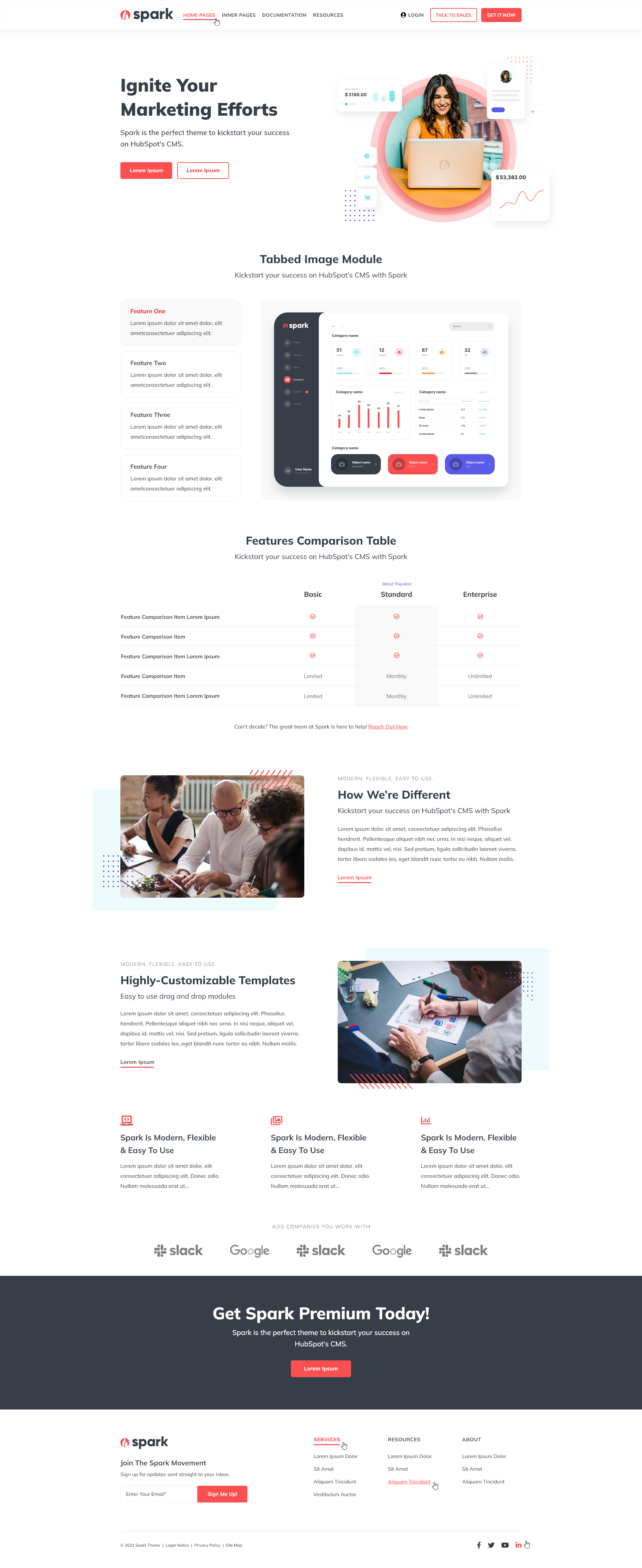
Spark Premium
The full-featured version of Spark with 48 drag-and-drop modules, 34 sections, and 27 page templates.
Browse all themes
Each theme includes full source files, documentation, and templates. Filter by type or sort to find the right fit.
Spark Premium
The full-featured version of Spark with 48 drag-and-drop modules, 34 sections, and 27 page templates.
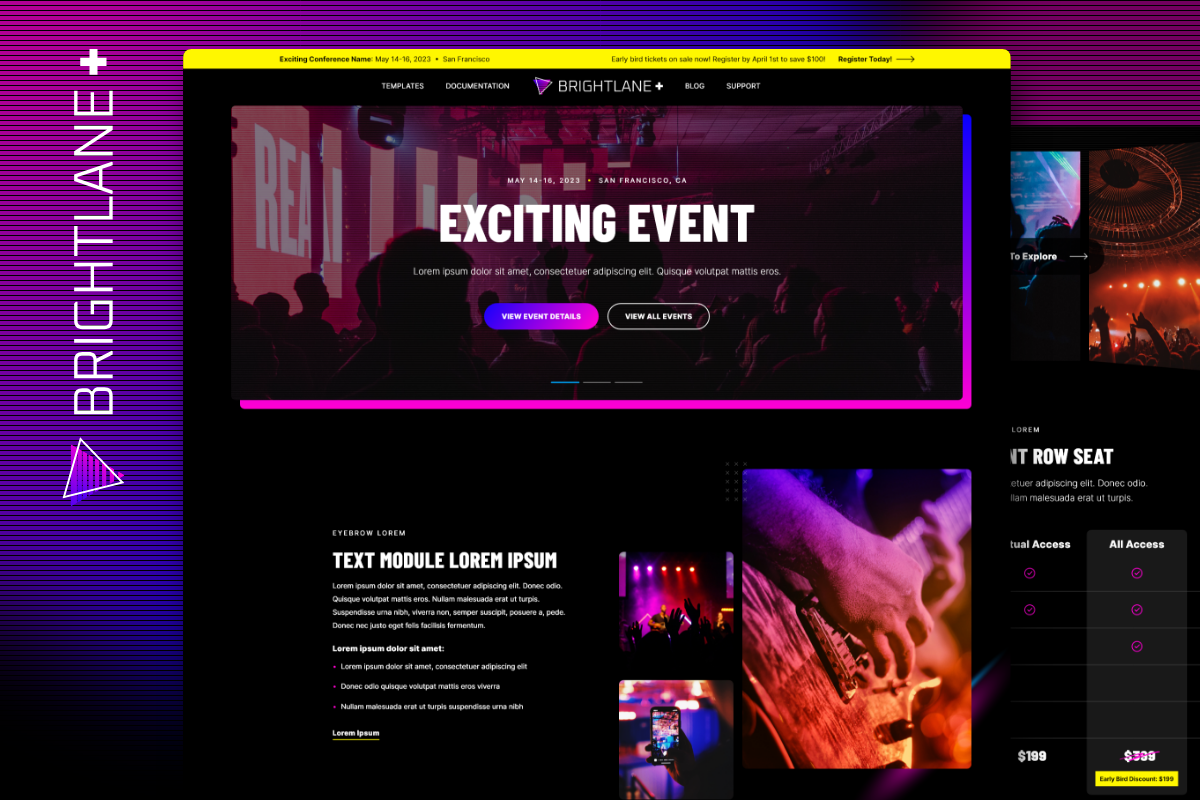
Brightlane Plus
A clean, conversion-focused design built for professional services, events, and B2B companies.
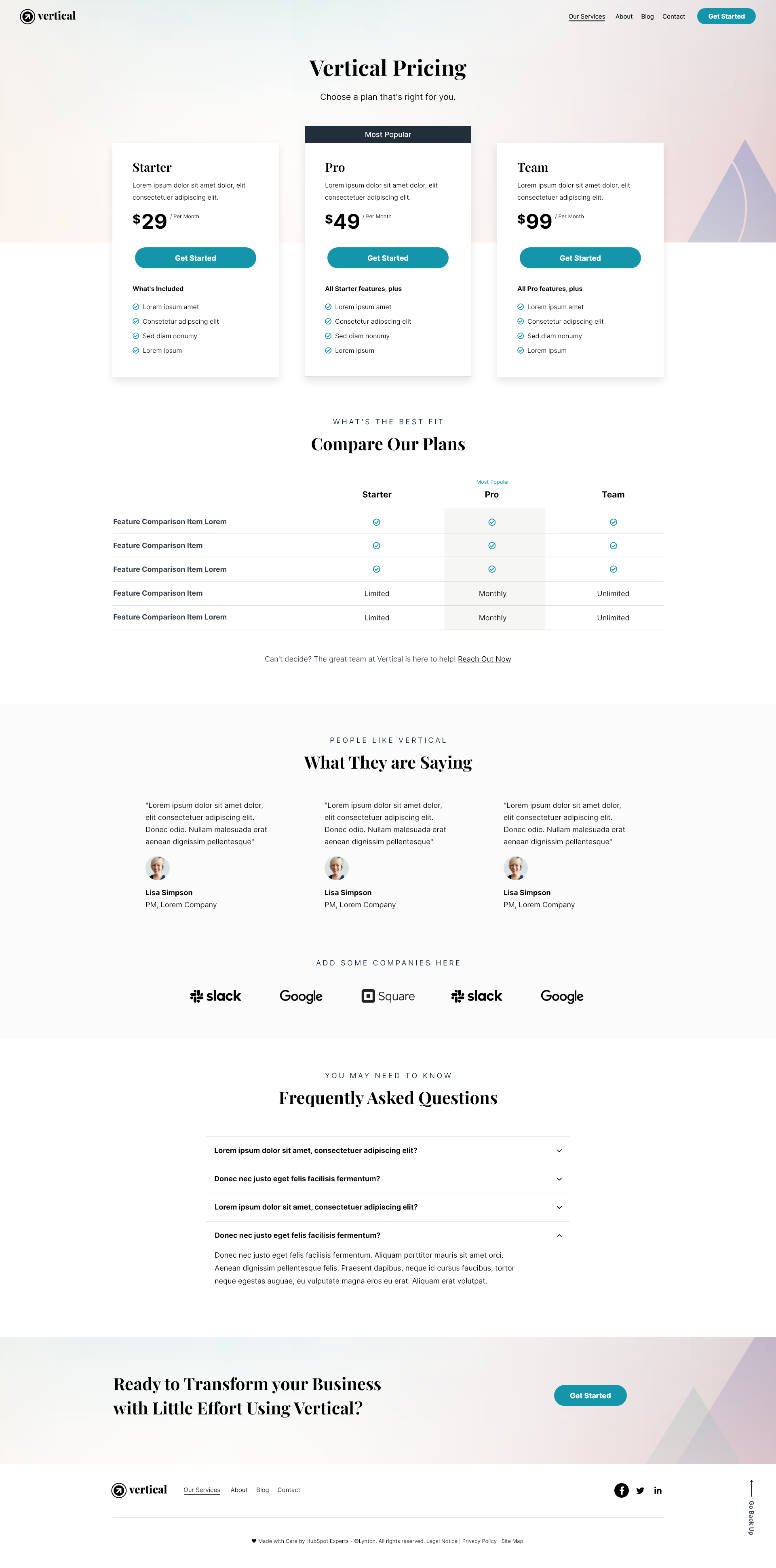
Vertical
A bold, modern theme designed for SaaS and technology companies with rich content sections.
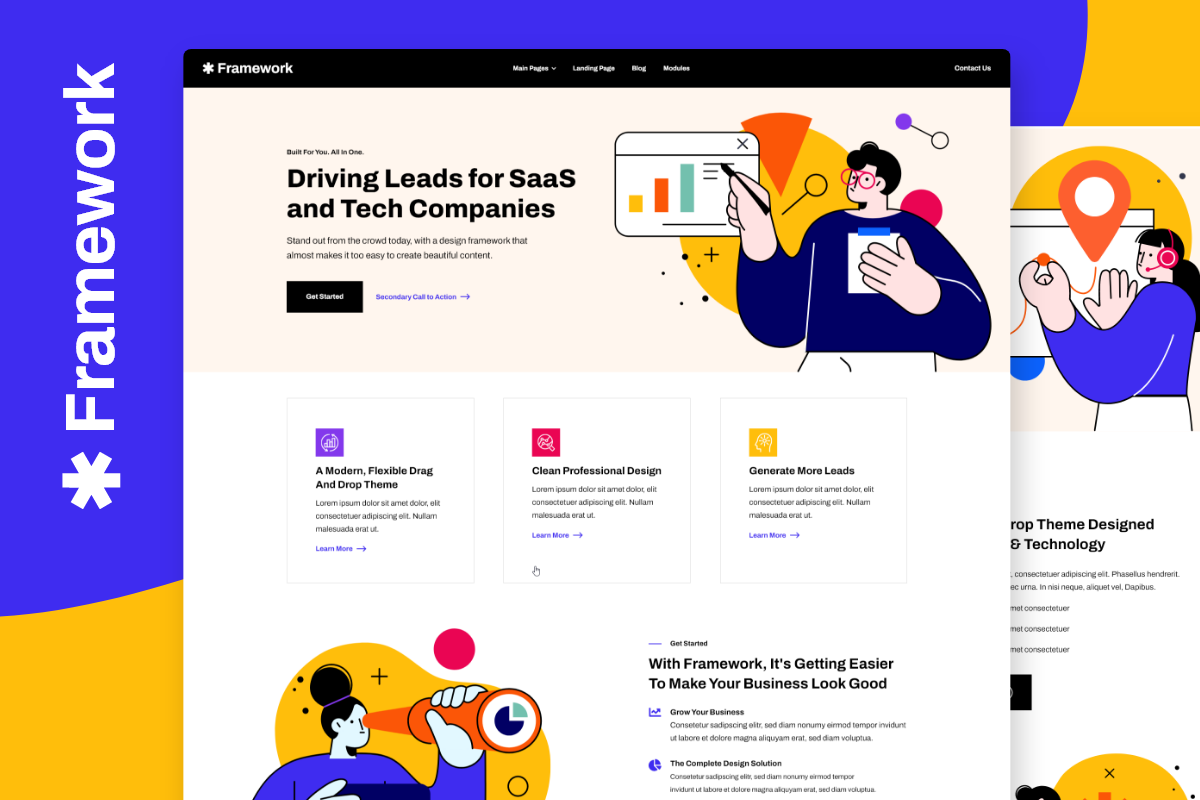
Framework Plus
A developer-friendly theme with clean markup, flexible layouts, and easy customization.
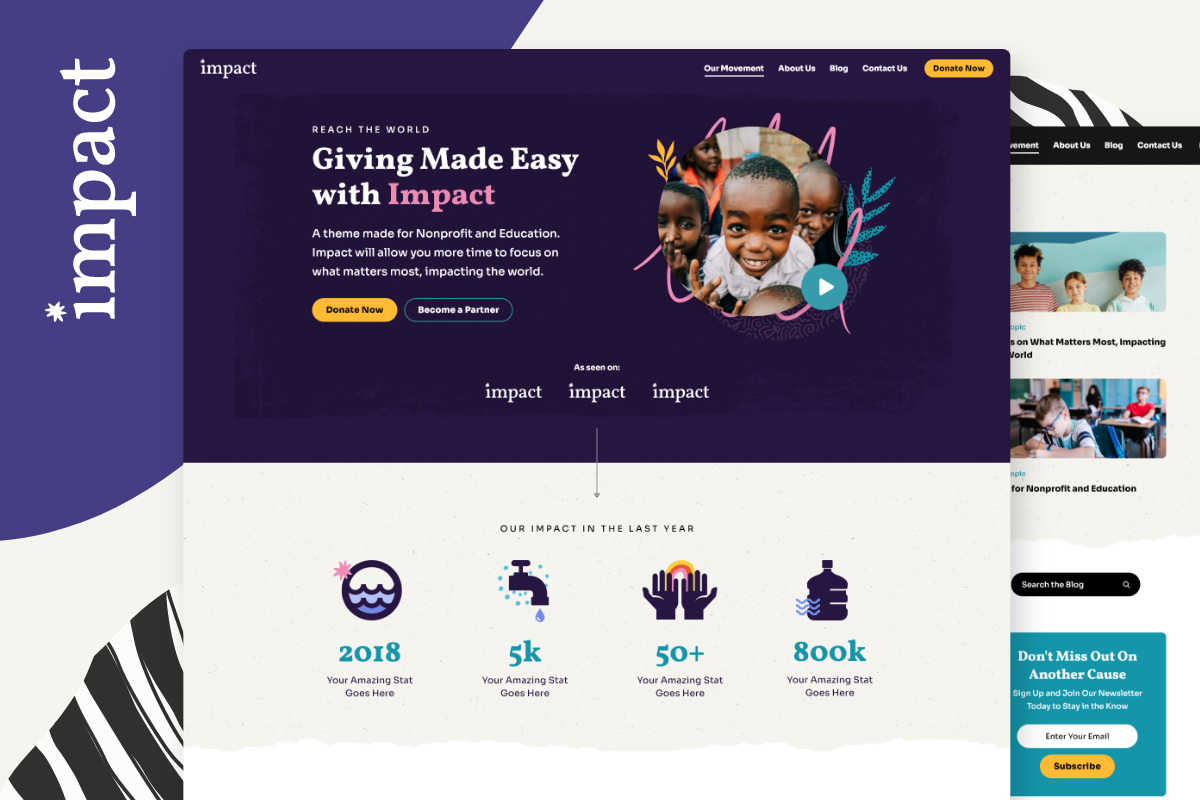
Impact
A visually rich theme with bold typography and full-width sections for nonprofits and education.
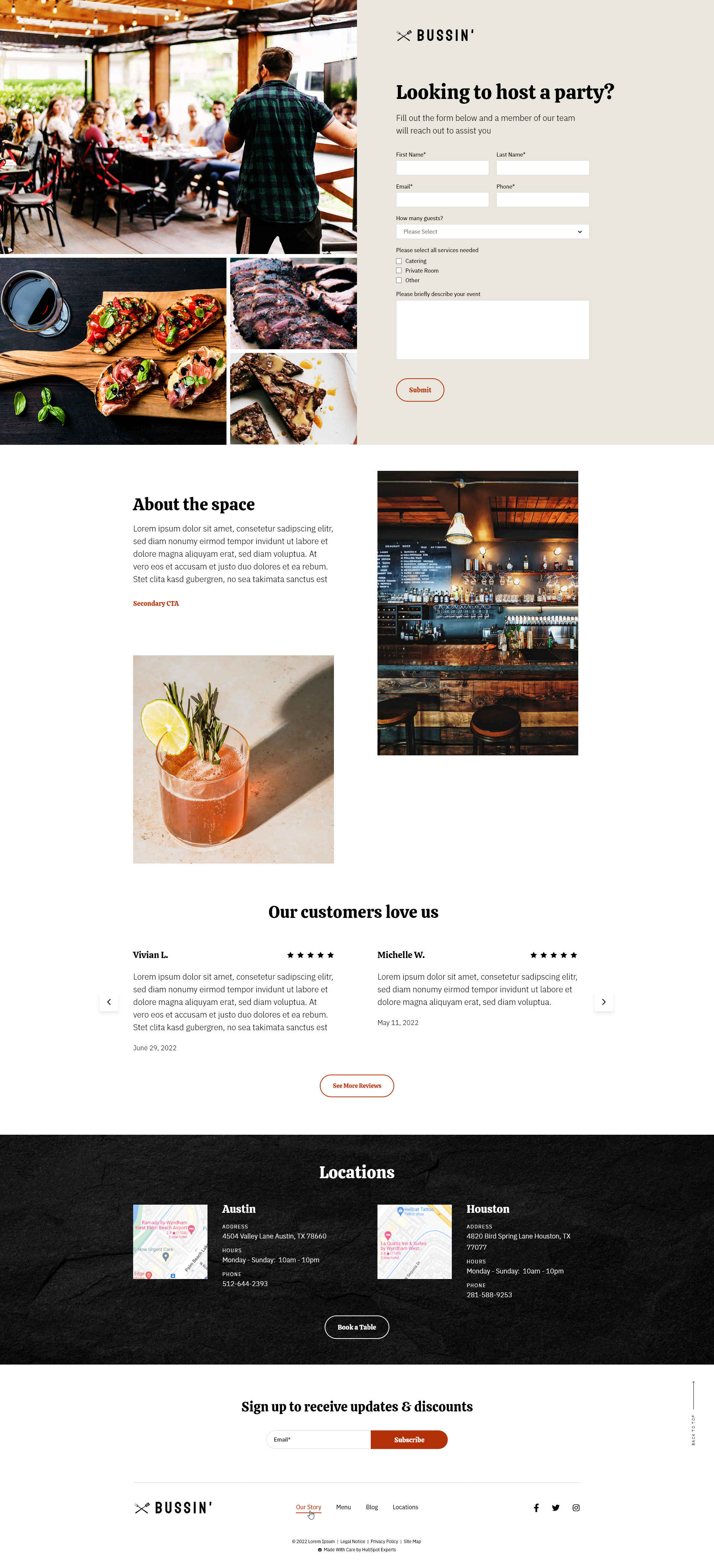
Bussin'
A vibrant, energetic theme with playful design elements for restaurants and local businesses.
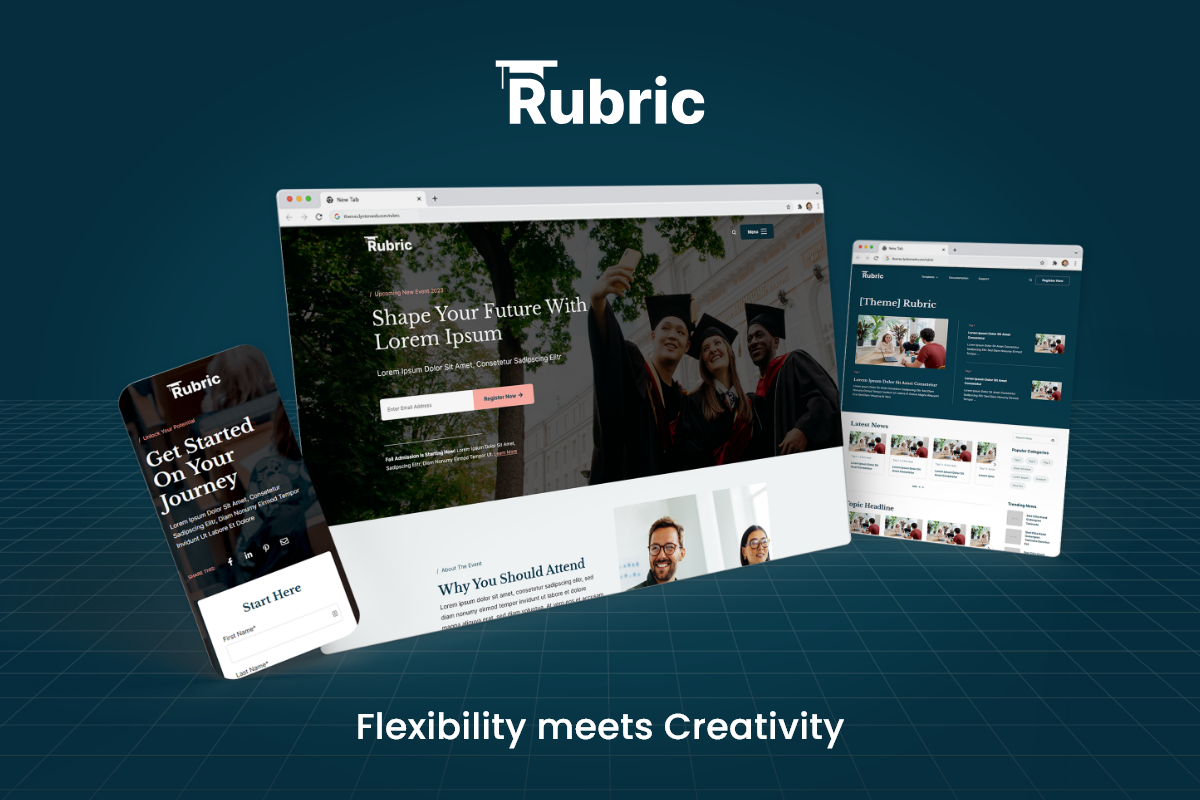
Rubric
A structured, content-first theme ideal for education, events, and resource-heavy sites.
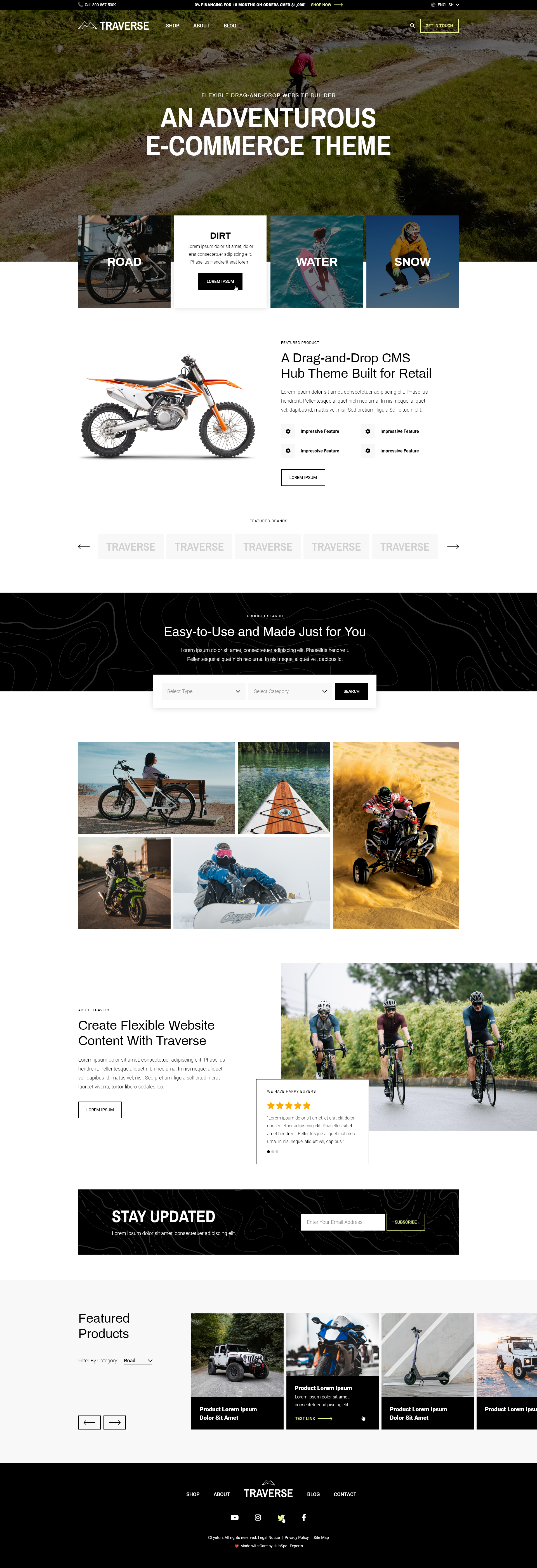
Traverse
A feature-rich theme with dynamic layouts and advanced interactive components for e-commerce.
Compare themes
Side-by-side comparison of templates, modules, and features across all 8 themes.
| Theme | Spark Premium | Brightlane Plus | Vertical | Framework Plus | Impact | Bussin' | Rubric | Traverse |
|---|---|---|---|---|---|---|---|---|
| Overview | ||||||||
| Original price | Free | Free | Free | |||||
| Rating | 4.5 | 5 | 4.9 | 5 | 4.5 | — | — | 5 |
| Installs | 7,500+ | 9,000+ | 4,000+ | 2,500+ | 500+ | 250+ | 10+ | 50+ |
| Content | ||||||||
| Page templates | 27 | 16 | 11 | 16 | 11 | 9 | 13 | 9 |
| System templates | 22 | 11 | 11 | 11 | 16 | 10 | 32 | 18 |
| Sections | 34 | 48 | 34 | 33 | 19 | 22 | 27 | 13 |
| Modules | 48 | 43 | 36 | 50 | 31 | 28 | 25 | 39 |
| Features | ||||||||
| Blog support | ||||||||
| E-commerce | ||||||||
| Pricing tables | ||||||||
| Search | ||||||||
| Video | ||||||||
| Accordion / Tabs | ||||||||
| Filter / Sort | ||||||||
| Carousel / Slider | ||||||||
Why we open-sourced $795 in HubSpot themes
After 16 years as a HubSpot partner and over 24,000 customers served, we walked away from the partnership. When we left, so did our marketplace listings. We weren't ready to let thousands of development hours on premium themes head straight for the graveyard. Open-sourcing everything was the only move that made sense.
This is more than just a free download. Marketplace themes are read-only once installed in HubSpot — locked files, child theme workarounds, no version control. When you clone the source from GitHub, you own every file. Edit modules, override styles, restructure templates. Track changes in Git, deploy through CI/CD, work in your own IDE. These themes were built to be extended, and now nothing is stopping you.
We're building the next generation of web infrastructure that's open-source, AI-native, fully owned by the people who use it. These themes are a reflection of our commitment to a newfound way of building the web.
Stay in touch
We'll share what we're learning as we build beyond HubSpot on open-source infrastructure, no vendor strings attached.
Frequently asked questions
Everything you need to know about using these free themes.
Ready to move beyond HubSpot?
We spent 16 years building on HubSpot. Now we help companies migrate to faster, more flexible, fully-owned infrastructure.