Case study · Custom home building
Travars Built Homes left two software landlords and grew Google and AI traffic
Their website ran on WordPress and their floor plans on HubSpot. We moved it all onto one site. Travars owns the code and can take it anywhere. In the first month, clicks from Google rose 10% and AI visits tripled.
Central North Carolina · Live since August 2026 · travarsbuilthomes.com
The short version
Travars Built Homes builds custom homes across twelve counties in central North Carolina. They had beautiful photos, hundreds of floor plans and helpful articles, but their website made all of it hard to find.
Their best content was scattered. The floor plans sat on a separate HubSpot site, the available homes linked out to the MLS, and the WordPress site split the photos across two galleries, so Google gave Travars less credit than they'd earned. We kept the content and brought it all onto one site.
Their rankings and traffic went up. Changing websites is when a builder is most likely to lose ground on Google. In the first month, Travars ranked higher and got more visitors from Google and AI assistants.
The code is theirs now. It runs without plugins or a CMS platform underneath it, and their own team keeps the site up to date.
Live · August 2026
travarsbuilthomes.com
Chatham County, North Carolina · 12-county service area
One website whose code Travars owns, with every floor plan, photo and available home under one roof. Their team asks an AI site agent for changes in plain language, and AI assistants get a summary of the site written for them.
- 392
- floor plans
- 1,340
- photographs
- 53
- home tours
- 588
- pages moved
Pouring a new foundation
When we audited the old site, the content scored better than anything else on it. What held Travars back was the foundation underneath: an old site running fifteen plugins, a second website just for the floor plans, and listings that sent buyers somewhere else.
The six parts we look for on any builder’s site are written up as the Builder Website Blueprint, and the Builder Website Score lets a builder check their own in about two minutes.
Building the new home
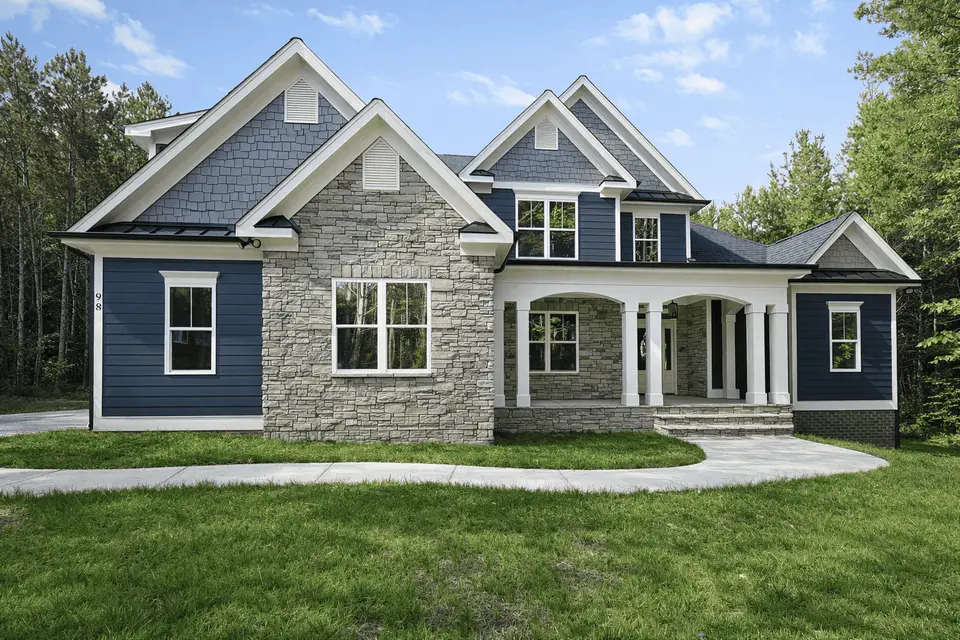
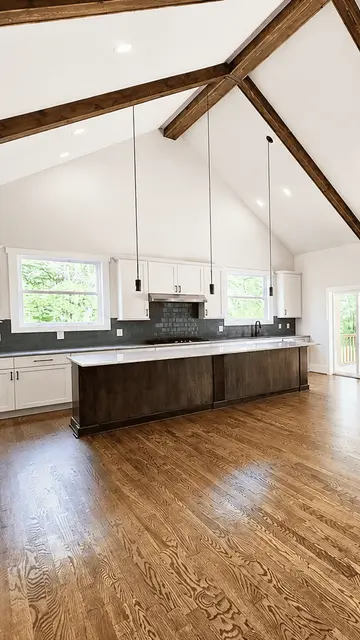
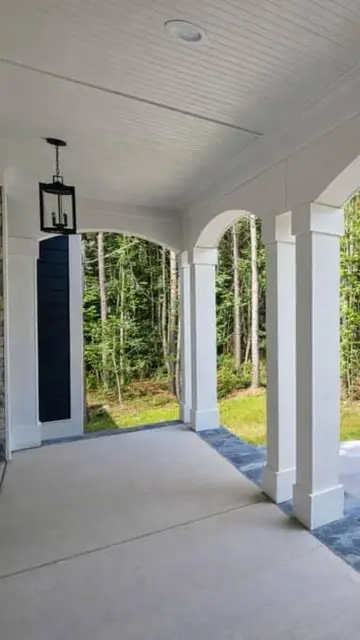
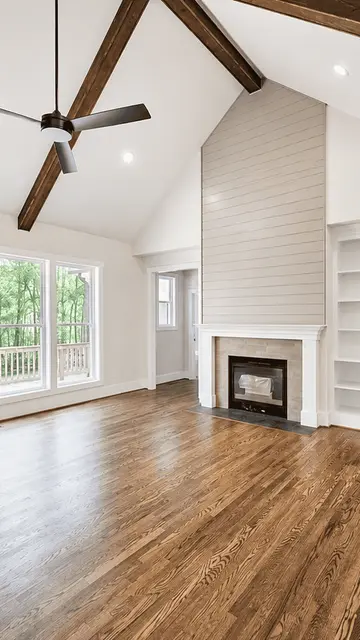
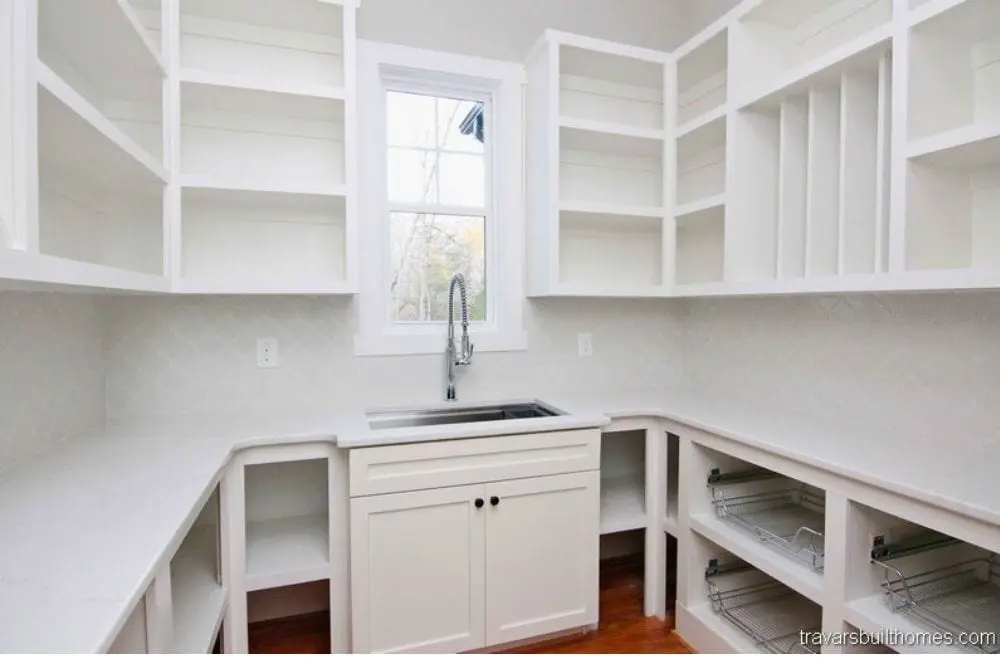
Travars’ new gallery lets buyers browse finished homes by the feature they care about, like kitchens, pantries or porches. You can browse what we built the same way.
Before
Hundreds of plans sat on a separate website, which Google can treat as a different site from the main one.
What we built
Every plan now lives on the main site, and old links forward to the new pages, so the plans kept the ranking credit they had built up.
Before
A cramped two-column page where every home linked out to the MLS, so buyers who were ready to act left to finish looking somewhere else.
What we built
Every home gets the same clean card, and every card opens a page of its own on Travars' site, with photos, specs, a full description and similar homes. Where a home has a walkthrough video or a matching floor plan, that's on the page as well. The inquiry form sits on that page too, so buyers can ask about a home while they're looking at it, and each inquiry goes straight into Travars' CRM.
Before
Two galleries held the same photos and competed with each other on Google. Every new photo had to be filed twice, and whenever someone missed one, the galleries drifted apart.
What we built
One gallery with two ways in: browse by home, or by feature, like kitchens and drop zones. Tag a photo once and it shows up everywhere it belongs. That ended the double filing Travars had asked us to fix.
- 18
- features buyers can browse by
Before
Google and AI assistants had very little to go on. The site didn't clearly describe the business, the homes or the listings, and the map Google uses to find every page was broken.
What we built
Every page now clearly describes itself to Google and AI assistants: the business, its reviews, each home, each listing and each FAQ.
Before
Two systems to pay for and keep patched: the main site with fifteen plugins, plus a second platform just for the floor plans. The contact forms were collecting bot spam.
What we built
Travars owns the code to their website and can take it anywhere. It runs without WordPress, plugins or a CMS platform underneath it. Their team updates it through a simple editor or by asking their AI site agent in plain language, and they decide when each change goes live. Changing a price or adding a photo doesn't need a developer. There are no per-seat licenses or plugin subscriptions, and the forms are protected against spam.
- $0
- per-seat software licenses
As a custom builder, our homes and plans are two of the most important tools we have for helping prospective clients envision what they can build with us.
The new site showcases our photography much more effectively and makes it considerably easier to explore our floor plans, see the variety of homes we build, and find a good starting point for a custom home. The website is now a much stronger sales tool for our team.
Moving without losing ground
Changing websites is the riskiest moment for a builder’s Google rankings. Google has to relearn the site, and a page that moves without a forwarding address loses the ranking it earned. Travars’ first question was what moving hundreds of floor plan pages would do to theirs.
Our standard is to keep every address that already works. We move a page only when the new address is better for buyers and for Google, and the old address then forwards to the new one, so the ranking it earned goes with it. We map every planned move before launch, and once the site is live we check every page Google had been showing.
Old address
homes.travarsbuilthomes.com/house-plan-search/albian
New address
travarsbuilthomes.com/floor-plans/albian/
For Travars, two moves were worth making. The floor plans came home from their separate website, so every visit to a plan now counts toward the main site. The blog also got a room of its own. Articles used to sit at the top level of the site, mixed in with every other page, and now they live together under /blog/, which gives Google a clearer picture of how the site is organized.
Their rankings went up in the first month after the move.
The results after move-in
We compared the new site’s first 30 days with the old site’s last 30. Every number we track went up.
The first week after launch was the busiest, as launch weeks usually are, and then traffic settled. Their rankings kept climbing, and better rankings bring more visitors over time.
Their top page in search is an article about scullery pantries, followed by their guide to building on rural land, Available Homes and the floor plan library. Those are the pages people read while they’re planning a home.
In their words
The experience with Lynton was excellent, and Sara in particular was amazing to work with.
There are a lot of moving pieces in a website migration and launch, and Sara made the process feel manageable from beginning to end. We always felt like we had a partner who cared about getting it right, not just getting it launched.
Questions we get
Q1 Will changing my website hurt my Google rankings?
It can, if pages move without a forwarding address (a redirect), because the ranking a page earned doesn't follow it on its own. Our standard is to keep every address that already works, move a page only when the new address is better, forward every page that moves, and check every page Google had been showing once the site is live. In Travars' first month on the new site, their average Google position improved from 18.5 to 15.6.
Q2 Should a home builder's floor plans be on a separate website or subdomain?
We recommend keeping them on your main site. Google can treat a subdomain as a separate site, so plans kept there may not help your main site's rankings. Travars had 392 floor plans on a HubSpot subdomain. We moved every plan onto the main site and forwarded each old link, and in the first month the floor plan library was one of the four pages bringing in the most search traffic.
Q3 How can a home builder show up in ChatGPT and other AI assistants?
Answer the questions buyers actually ask, in pages any machine can read. AI assistants quote pages that give a clear, specific answer, and most of them can't run the scripts some sites need to show their content, so the words have to be in the page itself. Travars' rebuilt site works that way, and its articles answer buyer questions, like its piece on scullery pantries. In the first month after launch, visits from AI assistants tripled, from 22 to 66, with ChatGPT sending the most.
Q4 What should a custom home builder's website include?
Build it around how buyers shop. Keep floor plans on your main site, give every available home a clean listing with photos, specs and an inquiry form right there, keep one photo gallery buyers can browse by home or by feature, and write about what buyers are curious about. In Travars' first month on the new site, the four pages bringing in the most search traffic were an article on scullery pantries, a guide to building on rural land, Available Homes and the floor plan library.
Q5 Can my team update the website without a developer?
Yes. Travars' team updates their site through a simple editor or by asking their AI site agent in plain language, so changing a price or adding a photo doesn't need a developer. Travars owns the code and can take it anywhere, with no per-seat licenses or plugin subscriptions to pay.
Q6 Do I have to replace my CRM to get a new website?
No. Travars kept HubSpot as their CRM because it was working for their sales team. The new site's forms, including the inquiry form on every available home, send leads straight into it. We rebuilt the website and left the CRM alone, so their lead history stayed intact.
Q7 How long does it take to rebuild a home builder's website?
Travars' rebuild took about eleven weeks from signed proposal to launch, including moving all 392 floor plans and 1,340 photos.
See how your website scores before you change anything.
Our free assessment grades your site on speed and on how well Google and AI assistants can read it. It's where the Travars project started, and it takes about a minute.