How to Develop Effective Marketing Strategies to Grow Your Fitness Center or Gym

Running a successful restaurant takes more than just excellent food and service. In the competitive dining landscape, a strategic marketing approach is essential for filling tables and building a loyal customer base.
This guide, the first in our three-part series on restaurant growth, explores how to develop marketing strategies that transform curious prospects into regular patrons. While we’ll touch briefly on your website’s role in marketing, we’ll dive much deeper into website optimization strategies in the second article of this series.
Let’s get started.
Why Marketing Matters for Restaurants
The restaurant industry is more competitive than ever, with diners having countless options. A study found that 68% of potential customers are deterred from visiting a restaurant due to a poor online presence. Effective marketing doesn’t just increase visibility. It communicates your unique value and creates meaningful connections with customers.
With technology constantly changing, it’s no longer enough for restaurants to make great food and hope customers will share good reviews organically. Successful restaurants now employ creative marketing strategies to encourage customers to dine with them and order from their establishments.
**Building Your Restaurant Marketing Foundation
**
Before diving into specific tactics, you need a solid foundation for your marketing efforts.
1. Define Your Unique Value Proposition
What makes your restaurant special? Is it your authentic regional cuisine, farm-to-table ingredients, or exceptional service? Your unique value proposition should be the cornerstone of all your marketing efforts.
A clear market differentiator is essential.
This could be lower pricing, a unique location, specialty dishes, more engaging service, your restaurant’s atmosphere, or the culture you’re creating. Without this foundational element, your marketing messages will blend into the noise rather than stand out to potential customers.
Action step: Write a concise statement that captures what differentiates your restaurant from competitors. This will guide your messaging across all channels.
2. Know Your Target Audience
Generic marketing rarely succeeds. Understanding who your ideal customers are allows you to craft messages that resonate deeply with their needs, preferences, and dining habits. Detailed customer profiles or buyer personas enable you to position your restaurant appropriately in the industry and tailor your messaging to speak directly to the people most likely to become loyal patrons.
Position your restaurant appropriately in the industry — whether you cater to niche diets, are vegetarian-friendly, kid-friendly, quick and easy, or elegant and time-consuming. This positioning helps you advertise efficiently to the right target audience rather than wasting resources on broad, untargeted campaigns.
Action step: Create detailed buyer personas that include:
- Demographics (age, income, location)
- Dining preferences and habits
- Pain points when dining out
- Media consumption patterns
- Decision-making factors for restaurant selection
3. Set Clear, Measurable Goals
Effective marketing requires specific objectives to guide your strategy and measure success. Without clear goals, you’ll struggle to determine whether your efforts are generating results. Setting particular targets directs your marketing campaigns and creates accountability within your team.
Action step: Establish SMART goals (Specific, Measurable, Achievable, Relevant, Time-bound) such as:
- Increase weekday lunch bookings by 20% within three months
- Boost average check size by 15% over the next quarter
- Generate 50 new loyalty program sign-ups monthly
Essential Marketing Channels for Restaurants
With your foundation in place, it’s time to explore the most effective marketing channels for restaurants.
Social Media Marketing
Social platforms are vital for restaurants, and visual content is crucial in attracting diners. The inherently visual nature of food makes platforms like Instagram and TikTok particularly effective for showcasing your cuisine and atmosphere while building direct relationships with current and potential customers.
When developing your social media strategy, create consistent, engaging content that reflects your restaurant’s personality and highlights what makes your dining experience special. The right mix of planned content and spontaneous behind-the-scenes posts keeps your feed fresh and authentic, encouraging followers to engage with your brand.
Best practices:
- Focus on visual-first platforms (Instagram, TikTok) with high-quality food photography
- Show behind-the-scenes content of your kitchen and staff
- Respond promptly to comments and messages
- Use location tagging to improve local discoverability
- Partner with local influencers for expanded reach
Instagram posts with at least one hashtag average 12.6% more engagement than those without. Create a mix of branded and popular local hashtags to maximize your reach and help new audiences discover your content organically.
Strategic social media ideas:
- Host Instagram contests where users tag friends for a chance to win a free meal
- Create a branded hashtag for customers to use when sharing their dining experiences
- Post “Foodie Friday” features showcasing your most photogenic dishes
- Share time-lapse videos of your chefs preparing signature dishes
- Collaborate with local food bloggers for takeover events on your social accounts
- Highlight staff members with “Meet the Team” posts to humanize your brand
- Use Instagram Stories to promote limited-time offers or daily specials
{}{}[{“color”:“link”,“link”:{“no_follow”:false,“open_in_new_tab”:true,“rel”:“noopener”,“sponsored”:false,“url”:{“content_id”:null,“href”:“/social-media-community-manager”,“href_with_scheme”:“/social-media-community-manager”,“type”:“EXTERNAL”},“user_generated_content”:false},“text”:“Download Now: The Ultimate Social Media Manager Playbook & Checklist”}]null{“cta”:“group”,“cta_alignment”:“choice”,“cta_mobile_alignment”:“choice”,“styles”:“group”}null81526202986”/branding/lynton/pages/modules/Button”2[]“NOT_SMART""module""module""div”
Email Marketing
Email delivers remarkable ROI for restaurants, with studies showing that mail marketing generates $36 for every $1 spent. Your email strategy should nurture relationships with past guests while encouraging repeat visits and building a direct communication channel that isn’t dependent on social media algorithms or third-party platforms.
Successful restaurant email campaigns combine personalization with strategic timing and valuable content. The key is to segment your list effectively so that each message feels tailored to the recipient’s preferences and dining history. Mass emails are far less effective than targeted communications recognizing customers’ relationships with your restaurant.
Best practices:
- Segment your list based on dining history, preferences, and visit frequency
- Send personalized birthday and anniversary offers
- Share new menu items and special events
- Create targeted recovery campaigns for lapsed customers
- Maintain a regular but not overwhelming cadence (typically 2-4 emails monthly)
Some email campaign ideas include:
- “VIP Preview” invitations for new menu items or seasonal offerings
- “We Miss You” campaigns for customers who haven’t visited in 60+ days
- Monthly newsletter featuring chef’s tips, recipes, and upcoming events
- “Friends and Family” referral campaigns with incentives for bringing new guests
- Holiday-themed dining promotions with early reservation opportunities
- Post-visit thank you emails with feedback requests and return incentives
- “Secret menu” access for your most loyal email subscribers
Content Marketing and Blogging
Content marketing and blogging establish your expertise and improve search visibility while providing valuable information to potential guests. By consistently publishing high-quality content, you position your restaurant as a thought leader in your culinary niche while improving your website’s search engine rankings.
Hosting your blog on your website can increase your SEO ranking because you’re producing more material for search engines to crawl and generate links. Aim to post content consistently, even if you can’t meet the ideal cadence of three times per week. Each quality content is a permanent asset that continues to drive traffic and build credibility long after publication.
While we’ll discuss your website in much greater detail in our next article, it’s worth noting that your blog should be a central component of your site’s structure, with clear navigation and mobile optimization for the best user experience. Content marketing works hand-in-hand with technical website optimization to boost your online visibility.
Blog topic ideas:
- Chef interviews and stories behind signature dishes
- Local sourcing relationships with farmers and suppliers
- Seasonal ingredient spotlights with recipes
- Pairing recommendations for wine and food
- Event recaps that showcase your restaurant’s atmosphere
- “How to” guides related to your cuisine (e.g., “How to Make the Perfect Pizza Dough at Home”)
- Food trend analyses relevant to your restaurant’s style
- Restaurant industry insights from your unique perspective
- Guest posts from local food critics or influencers
- Themed content aligned with seasons or holidays
- Staff spotlights highlighting your team’s expertise and passion
{}{}[{“color”:“link”,“link”:{“no_follow”:false,“open_in_new_tab”:true,“rel”:“noopener”,“sponsored”:false,“url”:{“content_id”:null,“href”:“/inbound-marketing-blog/what-are-blog-tags-and-why-do-you-need-them”,“href_with_scheme”:“/inbound-marketing-blog/what-are-blog-tags-and-why-do-you-need-them”,“type”:“EXTERNAL”},“user_generated_content”:false},“text”:“Related Reading: Blog Tags 101: What Are They And Why Do You Need Them?”}]null{“cta”:“group”,“cta_alignment”:“choice”,“cta_mobile_alignment”:“choice”,“styles”:“group”}null81526202986”/branding/lynton/pages/modules/Button”2[]“NOT_SMART""module""module""div”
SMS Marketing
Text messaging boasts impressive open rates (98% compared to email’s 20%) and creates a direct line to your customers for time-sensitive offers. SMS marketing provides immediate access to your customer’s attention, making it ideal for last-minute promotions, reservation reminders, and time-sensitive announcements.
The key to successful SMS marketing is respecting the intimate nature of this channel. Text messages feel more personal than emails or social media posts, so they should be used sparingly and only for truly valuable communications. Each message should deliver clear value to the recipient to justify the interruption, whether an exclusive offer or essential information about their upcoming reservation.
Best practices:
- Limit messages to truly valuable communications
- Offer exclusive deals to SMS subscribers
- Send reservation reminders to reduce no-shows
- Create urgency with limited-time promotions
- Always include an easy opt-out option
SMS campaign ideas:
- Last-minute table availability notifications for customers on waiting lists
- Flash deals for slow nights (e.g., “Tonight only: 20% off all entrees”)
- Weather-related promotions (e.g., “Rainy day? Get free delivery on all orders today”)
- Exclusive SMS subscriber happy hour invitations
- Reservation confirmation and reminder texts
- Special event announcements with priority booking for SMS subscribers
- Quick feedback requests after dining experiences
Leveraging Nostalgia Marketing
Tapping into nostalgia can be a powerful way to create emotional customer connections. Nostalgic marketing evokes positive memories and emotional responses that build deeper bonds with your audience, creating an association between your restaurant and feelings of comfort, happiness, or fond recollection.
This approach works particularly well for establishments with a long history, but even newer restaurants can leverage broader cultural nostalgia related to their cuisine or concept. The key is identifying nostalgic elements that resonate with your target demographic and incorporating them authentically into your marketing materials and restaurant experience.
Nostalgia marketing ideas:
- Reintroduce beloved menu items from your past in limited-time “throwback” promotions
- Create themed nights celebrating different decades with matching music and menu specials
- Share “then and now” content showing your restaurant’s evolution over the years
- Host anniversary events celebrating your restaurant’s history
- Collaborate with local historians to showcase your neighborhood’s culinary heritage
Search Engine Optimization (SEO)
A comprehensive SEO strategy ensures that your restaurant appears prominently when potential customers actively seek dining options. SEO for restaurants combines on-site technical optimization, content creation, and local presence management to improve rankings in search results.
While our next article will cover a complete website optimization strategy, several key SEO elements should be part of your overall marketing approach.
Local SEO Fundamentals
Local SEO tactics help you dominate searches in your geographic area, capturing high-intent customers actively looking for nearby dining options. These strategies focus on improving your visibility in map listings, local search results, and location-based queries.
Local SEO action steps:
- Claim and optimize your Google Business Profile with complete information, high-quality photos, and regular posts
- Ensure consistent NAP (Name, Address, Phone) information across all directories
- Actively solicit and respond to reviews on Google, Yelp, and TripAdvisor
- Create location-specific content on your website
- Build local backlinks through community partnerships
Advanced SEO Strategies
Beyond local optimization, these broader SEO tactics help establish your restaurant’s authority and improve visibility for cuisine-specific searches.
Advanced SEO approaches:
- Create separate pages for each menu (lunch, dinner, brunch, etc.) optimized for relevant keywords
- Add schema markup to your website to display rich results in search listings, including hours, prices, and ratings
- Develop neighborhood guides that naturally incorporate mentions of your restaurant
- Partner with local businesses for cross-promotion and backlink opportunities
- Optimize for voice search with conversational keywords (“best Italian restaurant near me”)
- Monitor and respond to all online reviews within 24 hours
- Create Google Posts regularly to keep your Business Profile fresh and engaging
- Build landing pages for specific dining occasions (date night, business lunches, family gatherings)
Paid Advertising Strategies
Strategic paid advertising campaigns can drive immediate results when you need to fill tables quickly. Unlike organic marketing, which builds momentum gradually, paid advertising allows you to put your message directly in front of targeted audiences and generate immediate results.
The most effective restaurant advertising strategies combine precise audience targeting with compelling creative elements and clear calls to action. Rather than broadly promoting your restaurant, highlight specific offers, events, or menu items that give potential customers a concrete reason to visit now.
Effective approaches:
- Geotargeted social media ads reaching users within a specific radius
- Search ads targeting high-intent keywords like “restaurants near me”
- Retargeting campaigns for website visitors who didn’t convert
- Promoted posts for special events and limited-time offers
Advanced paid advertising strategies:
- Adjust bid strategies based on meal times (increase bids during lunch and dinner hours)
- Create custom audiences based on past visitors and lookalike audiences
- Use dayparting to focus ad spend during periods when people typically plan meals
- Test different ad formats (carousel, video, stories) to determine which drives the most reservations
- Implement click-to-call extensions in search ads for immediate phone reservations
- Develop targeted campaigns for specific dining occasions (date night, family gatherings, business lunches)
- Create separate campaigns for delivery, takeout, and dine-in experiences
Restaurant Technology: Tools for Marketing Success
The right technology stack can dramatically enhance your marketing capabilities while streamlining operations. Modern restaurant technology goes beyond basic POS systems, offering powerful tools for customer relationship management, reputation monitoring, and marketing automation.
Investing in the right technology solutions allows you to collect and leverage customer data effectively, personalize marketing communications, and measure the impact of your efforts with precision. While the initial setup requires time and resources, these systems quickly pay for themselves through improved efficiency and marketing effectiveness.
When evaluating technology solutions, prioritize systems that integrate to create a seamless data flow across your marketing and operational functions. Isolated tools create information silos that limit your ability to develop a comprehensive understanding of customer behavior and campaign performance.

Customer Relationship Management (CRM) Systems
A dedicated restaurant CRM brings customer data into one central location, enabling personalized marketing and deeper guest insights. These platforms track dining history, preferences, and spending patterns to help you develop highly targeted marketing campaigns.
Features to look for:
- Guest profile creation and management
- Reservation history tracking
- Preference and dietary restriction notes
- Automated birthday and anniversary reminders
- Segmentation capabilities for targeted marketing
- Integration with POS and reservation systems
Reservation and Waitlist Management Software
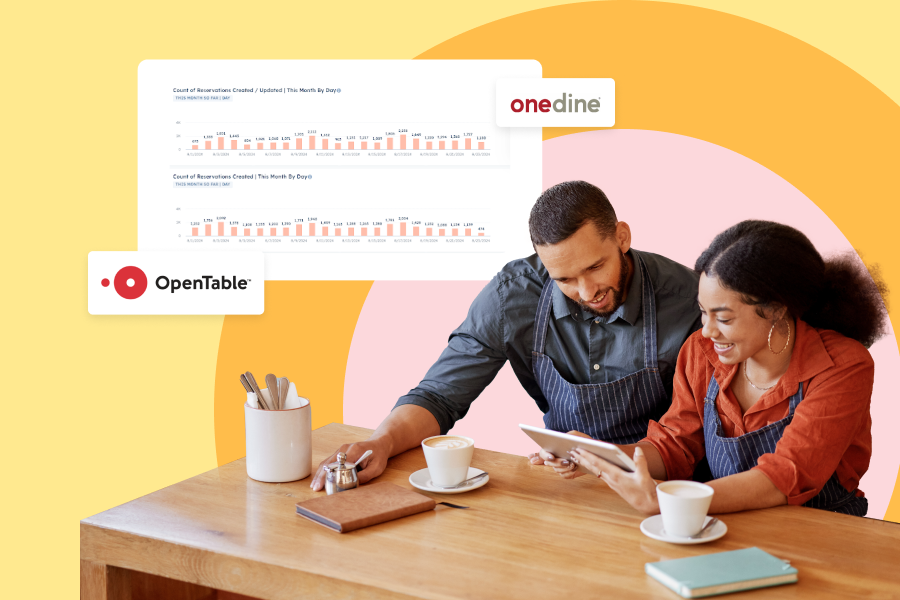
Modern reservation platforms do far more than book tables. They collect valuable customer data and provide marketing opportunities at multiple touchpoints. These systems reduce no-shows, optimize table management, and create a seamless guest experience.
Features to look for:
- Online booking capabilities directly through your website
- Two-way SMS communication with guests
- Wait time estimation and queue management
- Table management optimization
- Customer data collection and profile building
- Integration with your CRM and marketing automation tools
**Email Marketing Automation Platforms
**
Specialized email marketing tools allow you to create, send, and track personalized email campaigns that drive reservations and repeat visits. These platforms offer templates, segmentation capabilities, and analytics to maximize the impact of your email marketing efforts.
Features to look for:
- Restaurant-specific email templates
- List segmentation and personalization capabilities
- Automated workflows for birthday emails and other triggers
- A/B testing functionality
- Detailed analytics and reporting
- Integration with your CRM and reservation systems
Review Management Software
Online reviews significantly impact consumer decisions, making review monitoring and management essential for modern restaurants. These platforms aggregate reviews from multiple sites, alert you to new feedback, and effectively help you manage your online reputation.
Features to look for:
- Monitoring across multiple review platforms
- Real-time alerts for new reviews
- Response templates and management tools
- Sentiment analysis and trend identification
- Competitor review monitoring
- Integration with your CRM for customer recovery
Social Media Management Tools
These platforms streamline social media marketing by allowing you to schedule posts, monitor engagement, and analyze performance across multiple channels from a single dashboard. They save significant time while improving the consistency and effectiveness of your social presence.
Features to look for:
- Multi-platform posting and scheduling
- Content calendar visualization
- Engagement monitoring and response management
- Hashtag research and recommendation
- Performance analytics and reporting
- User-generated content discovery and rights management
Loyalty Program Platforms
Dedicated loyalty platforms help you create, manage, and optimize customer loyalty programs that drive repeat business. These systems track points, rewards, and redemptions while providing valuable data about your most loyal customers.
Features to look for:
- Points accrual and redemption tracking
- Tiered reward program management
- Digital and physical loyalty card options
- Personalized offer capabilities
- Customer spending and visitation analytics
- Integration with your POS and CRM systems
Strategic Marketing Planning and Execution
Having the proper marketing channels and tools is only half the battle. To maximize results, you need strategic planning and consistent implementation.
Creating an Integrated Marketing Calendar
Rather than approaching marketing as isolated tactics, develop a coordinated calendar that aligns efforts across channels. An integrated approach ensures consistent messaging, maximizes the impact of each campaign, and prevents the feast-or-famine cycle that results from reactive, last-minute marketing efforts.
Creating an effective marketing calendar requires balancing planned campaigns with the flexibility to respond to emerging opportunities or challenges. Start by mapping out the year’s significant promotional periods and events, then build more detailed plans for each quarter, month, and week as they approach. This tiered planning approach provides structure while allowing for adaptation.
Calendar planning essentials:
- Map out key business periods (high and low seasons, holidays, local events)
- Create monthly or quarterly campaign themes
- Align marketing efforts with seasonal ingredients and menu changes
- Develop promotional strategies for traditionally slow periods
- Schedule photography sessions to maintain a fresh visual library
- Plan for regular review and optimization of ongoing campaigns
- Create a crisis management protocol for addressing negative publicity
Innovative Event-Based Marketing
Special events can transform slow nights into high-profit opportunities while generating buzz for your restaurant. Beyond boosting immediate revenue, well-executed events create memorable experiences that build emotional connections with guests and generate valuable word-of-mouth marketing.
The most successful restaurant events combine entertainment value with culinary excellence, offering guests something they can’t experience during a typical visit. These special occasions give customers a concrete reason to visit now rather than someday, creating urgency that drives immediate bookings.
Event ideas to fill tables:
- Chef’s table experiences with multi-course tasting menus
- Wine or beer pairing dinners featuring local producers
- Cooking classes or demonstrations by your culinary team
- Themed nights focused on regional specialties or seasonal ingredients
- Collaborative dinners with guest chefs from other restaurants
- Holiday-specific dining experiences with custom menus
- Live music or entertainment evenings to enhance the dining atmosphere
- Charity partnerships with a percentage of proceeds benefiting local causes
- Farm-to-table events highlighting your sourcing relationships
- Cookbook author meet-and-greets with special menus inspired by their work
Loyalty Programs: Turning First-Time Visitors into Regulars
Customer acquisition costs 5-25 times more than retention. A strategic loyalty program keeps customers returning while gathering valuable data about their preferences. Effective loyalty programs do more than discount meals — they make customers feel recognized and appreciated while encouraging specific behaviors that benefit your business.
The most successful restaurant loyalty programs balance tangible rewards with exclusive experiences and recognition. While points and discounts create immediate incentives for repeat visits, the special treatment and personalized recognition often build true emotional loyalty over time.
Effective loyalty strategies:
- Points-based systems that reward frequent visits
- Tiered programs offering escalating benefits for regular patrons
- Exclusive events or tastings for loyalty members
- Referral bonuses for bringing friends and family
- Birthday and anniversary rewards that make customers feel valued
Advanced loyalty approaches:
- Create experiential rewards beyond discounts (kitchen tours, chef meetups)
- Implement surprise-and-delight moments for loyal customers
- Develop partnership programs with complementary local businesses
- Use gamification elements to make earning rewards more engaging
- Create a “secret menu” available only to loyalty program members
- Offer loyalty members first access to special events and seasonal menus
- Implement a digital punch card system through your restaurant app
- Create community-building opportunities among your most loyal customers
{}{}[{“color”:“link”,“link”:{“no_follow”:false,“open_in_new_tab”:true,“rel”:“noopener”,“sponsored”:false,“url”:{“content_id”:null,“href”:“/case-studies/partner-rewards-program”,“href_with_scheme”:“/case-studies/partner-rewards-program”,“type”:“EXTERNAL”},“user_generated_content”:false},“text”:“Related Reading: How Modernizing Therma-Tru’s Partner Rewards Program Achieved a 50% CTR and 33% Gift Card Utilization”}]null{“cta”:“group”,“cta_alignment”:“choice”,“cta_mobile_alignment”:“choice”,“styles”:“group”}null81526202986”/branding/lynton/pages/modules/Button”2[]“NOT_SMART""module""module""div”
Leveraging User-Generated Content (UGC)
Your customers’ authentic experiences are powerful marketing tools. Encourage and amplify user-generated content to build trust with potential diners. Unlike professionally produced marketing materials, UGC carries inherent credibility because it comes from real customers sharing their genuine experiences with your restaurant.
User-generated content performs extraordinarily well on social media, often generating higher engagement rates than brand-created posts. By incorporating customer content into your marketing strategy, you tap into the authentic voices of your patrons while significantly expanding your content library without additional production costs.
Strategies to generate and leverage UGC:
- Create designated “Instagram spots” with good lighting and scenic backdrops
- Implement branded hashtags and prominently display them in your restaurant
- Host photo contests for the best food or experience pictures
- Feature customer photos on your social media with proper credit
- Encourage check-ins with small incentives like complimentary appetizers
- Create shareable moments through unique presentations or tableside experiences
- Showcase customer reviews and testimonials across marketing channels
- Develop a “dish of the month” campaign where customers vote on their favorites
Measuring Your Marketing Success
The most successful restaurant marketers constantly evaluate performance and refine their approach based on data. Measurement isn’t an afterthought. It’s a fundamental component of effective marketing that enables continuous improvement and optimal resource allocation.
Without robust tracking and analysis, it’s impossible to determine which marketing initiatives are driving results and which are consuming resources without adequate returns. Implementing comprehensive measurement systems allows you to double down on effective tactics while refining or eliminating underperforming efforts.
Key metrics to track:
- Reservation/table booking rates
- Marketing channel attribution (which sources drive the most customers)
- Customer acquisition cost
- Average check size
- Customer lifetime value
- Social engagement and growth rates
- Email open and click-through rates
- Website traffic and conversion metrics
Advanced analytics approaches:
- Track redemption rates for different promotional offers
- Analyze peak ordering times and popular menu item combinations
- Monitor sentiment analysis from online reviews and social mentions
- Compare marketing performance across different locations (if applicable)
- Assess the effectiveness of varying loyalty program tiers and rewards
- Measure return on investment for influencer partnerships
- Track foot traffic patterns concerning marketing campaigns
- Analyze customer feedback to identify improvement opportunities
Use tools like Google Analytics, your POS system reports, and your reservation platform data to understand what’s working and needs adjustment.
Putting It All Together: Your 30-Day Action Plan
Ready to elevate your restaurant marketing? Start with this 30-day plan.
Days 1-7: Foundation
- Define your unique value proposition
- Create detailed customer personas
- Audit your current marketing efforts
- Set specific 90-day marketing goals
- Analyze competitors’ marketing strategies
- Conduct customer surveys to gather feedback
- Review your current online presence across all platforms
Days 8-15: Channel Setup
- Optimize social media profiles
- Create an email marketing template
- Set up Google Analytics on your website
- Claim and update all online directory listings
- Develop a content calendar for the next 30 days
- Design branded templates for various marketing materials
- Set up tracking for key performance metrics
Days 16-22: Content Creation
- Photograph key menu items
- Draft your first month of social media content
- Write two blog posts
- Create one special offer for email subscribers
- Record video content showcasing your restaurant atmosphere
- Design graphics for upcoming promotions
- Develop your loyalty program structure and benefits
Days 23-30: Launch and Measurement
- Implement your first coordinated campaign
- Set up tracking for all marketing channels
- Establish a weekly reporting routine
- Schedule your first 30-day review
- Begin collecting customer testimonials
- Launch your first email newsletter
- Initiate your first paid advertising campaign
Marketing as Your Competitive Advantage
In the restaurant industry, exceptional marketing often differentiates between thriving and merely surviving. By implementing these strategies consistently and measuring their impact, you’ll create a marketing system that fills tables and builds lasting customer relationships.
In the following article in this series, we’ll explore how to optimize your restaurant’s website to convert more visitors into guests. We’ll cover essential website elements, conversion optimization techniques, mobile experience enhancement, and how to showcase your menu and atmosphere online effectively.
Until then, start implementing these marketing fundamentals to build momentum for your business. Remember that effective marketing is a marathon, not a sprint. Consistently applying these strategies over time yields far better results than sporadic, intense campaigns.
Ready to take your restaurant marketing to the next level? Our team specializes in helping restaurants develop and implement marketing strategies that drive real business results. Contact us today to learn how we can support your growth.