10 Strategies Zoos, Aquariums, and Attractions Use to Increase Attendance with HubSpot
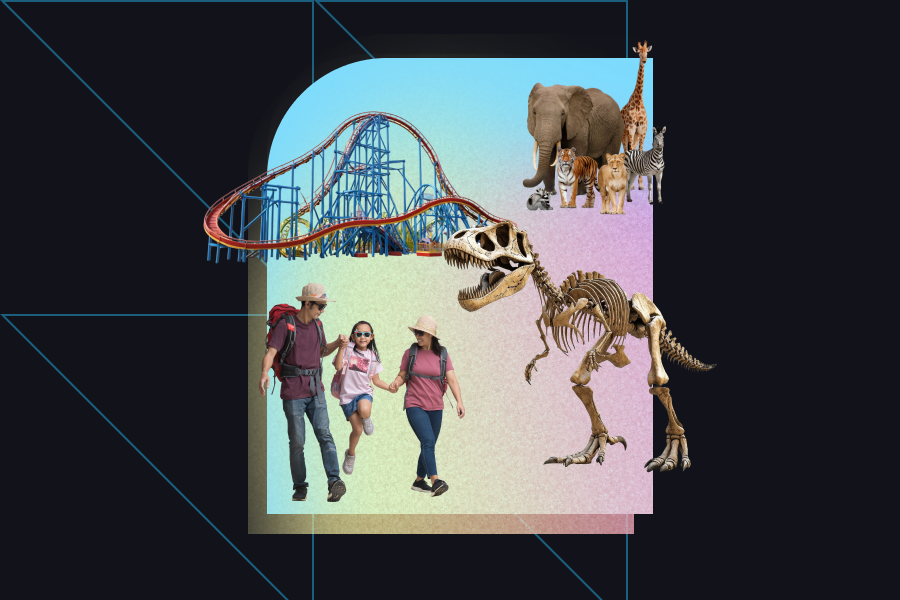
Visitor-centered attractions like zoos, aquariums, and nature centers flourish when guest relationships deepen, yet many contend with disconnected platforms creating disjointed guest experiences. Your ticketing software captures valuable attendance patterns, but marketing specialists remain blind to these insights. Your admission system monitors entries, but fundraising and guest experience teams can’t readily identify your most engaged patrons.
Bridging your operational infrastructure with HubSpot’s CRM and marketing ecosystem enables you to create immersive, tailored experiences that convert occasional guests into passionate advocates. Let’s discover ten approaches to reimagine visitor connections, enhance operations, and foster enduring growth.
Connecting the Dots: HubSpot as Your Attraction’s Digital Backbone
Knowing how HubSpot CRM integration revolutionizes visitor-centered businesses provides vital insight for the methods we’ll explore. These transformative advantages reshape everything from frontline interactions to strategic planning.
Guest Relationship Mastery
Integration crafts a comprehensive profile of visitors, members, and program participants by fusing digital and physical interaction data. You’ll uncover not just visitor demographics but how individuals engage with your exhibits and programs at every touchpoint. Usage patterns revealed through historical engagement data streaming from operational systems into HubSpot drive better decision-making across marketing, operations, and program development.
For family destinations, nuanced household relationship modeling becomes achievable, empowering you to serve the distinct needs of complete family units. This richer understanding elevates simple admissions into relationship cultivation opportunities by spotting behavioral patterns and preferences that typically escape notice.
Workflow Efficiency Reimagined
Integration eliminates data silos and establishes automated information exchange between platforms. Staff previously navigating multiple disconnected systems can concentrate on crafting exceptional visitor experiences. Communication sequences that once demanded separate processes across isolated platforms now flow organically through a unified environment.
Day-to-day communications including post-visit appreciation, membership milestone celebrations, and renewal notifications trigger effortlessly through HubSpot workflows, freeing frontline teams for more meaningful interactions. Significantly, these connected processes adapt naturally as your attraction expands, supporting new exhibits or satellite locations without proportional increases in administrative complexity.
Audience Engagement Precision
Behavior-driven campaigns crafted from actual visitation patterns and demonstrated interests produce remarkably higher response rates than generalized messaging. Picture an aquarium connecting with marine mammal enthusiasts who haven’t yet experienced your coral reef exhibit, or a wildlife park promoting conservation workshops to visitors who frequently participate in similar educational programs.
This strategic outreach optimizes marketing resources by ensuring messages reach genuinely interested audiences.Lead nurturing flourishes when powered by comprehensive insights about visitors’ exhibit preferences and participation history. Cross-platform storytelling across email, mobile, social channels, and print becomes seamlessly coordinated when visitor intelligence resides in a centralized ecosystem.
Revenue Pathways Expanded
Conversion metrics climb through individualized journeys addressing specific interests — whether highlighting membership privileges to visitors exploring those options on your website or showcasing upcoming exhibits to guests with related interests. Retention strengthens when you proactively connect based on visitation signals—rekindling relationships with infrequent visitors before they disengage while rewarding dedicated patrons with exclusive previews or behind-the-scenes opportunities.
Complementary offerings flourish when integrated data illuminates natural interest connections. Imagine suggesting marine conservation programs to aquarium members who regularly attend educational presentations or special nocturnal events to visitors fascinated by nocturnal species. This thoughtful approach ensures communications resonate with each visitor’s demonstrated interests, creating irresistible experiences that drive both acquisition and ongoing engagement.
Visitor Experience Elevated
Integrated marketing automation creates consistent, personalized interactions across every touchpoint. Whether guests call your welcome center, explore your grounds, or engage with your digital content, they encounter an organization that recognizes their interests and appreciates their unique relationship with you.
Interactions grounded in comprehensive visitation history feel genuinely personalized rather than generically transactional. Your ability to anticipate interests based on behavioral intelligence creates delightful “you really understand what I enjoy” moments. Imagine an aquarium notifying marine photography enthusiasts about optimal viewing times for particularly photogenic exhibits, or a zoo alerting conservation-minded members about a newly launched preservation initiative aligned with their demonstrated interests.
Strategy 1: Blueprint Your Complete Visitor Experience Journey
The cornerstone of successful integration begins with precisely mapping each visitor’s path through your attraction. For zoos and aquariums, this journey encompasses both digital and physical interactions, making thorough experience mapping particularly valuable.
Start by documenting every guest touchpoint throughout their relationship cycle, from initial discovery through online research, ticket purchase, arrival experience, exhibit exploration, retail interactions, and post-visit engagement. Identify how these interactions currently unfold and which systems capture data at each stage. This exercise frequently reveals unexpected gaps where valuable interaction data goes uncollected.
Gateway, Tixera, GaterMaster, ROLLER, and CenterEdge ticketing systems power many zoo and aquarium operations, but this data typically doesn’t flow directly into marketing systems. One zoo integration process can involve ticketing systems connecting with Dynamics, and then Dynamics data is pushed into HubSpot. This integration process (which we can easily handle) creates a complete picture of member/visitor engagement.
Touchpoints encompass website visits, ticket purchases, membership sign-ups, exhibit visits, educational program registrations, special event participation, gift shop purchases, and membership renewals. These interactions build a comprehensive profile of each visitor’s interests and engagement patterns when properly integrated.
For instance, when a family purchases tickets to a special exhibition through Gateway or other ticketing systems, that transaction creates a deal in HubSpot via the Dynamics integration. Similarly, membership sign-ups and renewals automatically update contact records, enabling targeted communications at critical points in the membership lifecycle.
Strategy 2: Consolidate Visitor Intelligence for Authentic Personalization
Personalization depends entirely on data quality, and attraction businesses possess treasure troves of visitor intelligence trapped within operational systems. HubSpot integration unlocks this potential by unifying all visitor data in one accessible platform.
As noted, a typical integration path for zoos involves Gateway ticketing connecting with Dynamics and then Dynamics data flowing into HubSpot. This creates a unified member profile that combines online and offline interactions, such as:
- Dynamics Contacts → HubSpot Contacts
- External Orders → HubSpot Deals
- External Event Orders → HubSpot Deals
- Products → HubSpot Products
- Purchased Products → HubSpot Line Items
- Memberships → HubSpot Memberships
- Event Data → HubSpot Event Data
- Product Usage → HubSpot Custom Events
This unified approach powers meaningful personalization by connecting donation history with visitation patterns and linking family preferences with relevant educational offerings.
Your marketing team can create campaigns based on exhibit preferences, visit frequency, or specific interests. Members who frequently visit the primate exhibits might receive targeted information about your upcoming orangutan conservation program, while families who attend educational events receive focused communications about your summer camps.
As noted, zoos and aquariums may also use other ticketing/event software, such as Tixera, GaterMaster, ROLLER, CenterEdge, and others. At Lynton, we can integrate HubSpot with any third-party system that has an API.
Strategy 3: Turn Transactions into Relationship Building Moments
Every transaction at your attraction represents more than revenue. It’s a relationship cultivation opportunity waiting to be leveraged. Integration converts these transactions into actionable intelligence that drives deeper engagement.
When Gateway ticketing data flows through Dynamics (or other systems like Tixera, GaterMaster, ROLLER, or CenterEdge) and into HubSpot, admission purchases and membership transactions create relationship development pathways based on visitation patterns. First-time visitors automatically enter welcome journeys introducing them to your mission and offerings, while repeat visitors receive targeted membership conversion campaigns.
Special exhibition tickets reveal specific interests that inform future communications. For example, a family that purchases tickets to a butterfly exhibit might later receive information about an upcoming insect conservation program or related educational opportunities.
Donor engagement strategies leverage giving history alongside visitation data, creating more relevant fundraising approaches. Your development team can quickly identify which exhibits donors visit most frequently, allowing for more authentic conversations about impact and future support opportunities.
Strategy 4: Implement Lifecycle-Driven Communication Flows
The visitor lifecycle provides an ideal framework for automated communications that deliver perfectly timed messages. Integration ensures these communication triggers reflect actual behaviors rather than arbitrary schedules.
Attractions can leverage Gateway/Dynamics, Tixera, GaterMaster, ROLLER, or CenterEdge data in HubSpot to create purposeful automation throughout the visitor relationship. Pre-visit nurturing sequences build anticipation by highlighting seasonal exhibits, introducing animal ambassadors, and providing practical visit-planning guidance.
New member onboarding workflows explain exclusive benefits, introduce upcoming events, and provide behind-the-scenes content about popular exhibits. This thoughtful welcome establishes membership value beyond simple admission privileges.
Engagement automation delivers updates about favorite exhibits based on visit history, provides appropriate conservation content, and highlights educational opportunities aligned with demonstrated interests. Re-engagement sequences identify lapsed members and offer special experiences or limited-time exhibitions to reignite their connection.
Renewal communications showcase the impact of membership support, highlight new experiences coming in the renewal year, and streamline the renewal process. This value-centered approach significantly improves membership retention rates.
{}{}[{“color”:“link”,“link”:{“no_follow”:false,“open_in_new_tab”:true,“rel”:“noopener”,“sponsored”:false,“url”:{“content_id”:null,“href”:“/inbound-marketing-blog/strategic-workflows-for-talent-hr-recruitment-managers”,“href_with_scheme”:“/inbound-marketing-blog/strategic-workflows-for-talent-hr-recruitment-managers”,“type”:“EXTERNAL”},“user_generated_content”:false},“text”:“Related Reading: 8 Custom HubSpot Workflows for Talent, HR, and Recruitment Managers”}]null{“cta”:“group”,“cta_alignment”:“choice”,“cta_mobile_alignment”:“choice”,“styles”:“group”}null81526202986”/branding/lynton/pages/modules/Button”2[]“NOT_SMART""module""module""div”
Strategy 5: Deploy Strategic Audience Segmentation
Integration unlocks sophisticated segmentation capabilities that extend far beyond basic demographics. With behavioral data flowing into HubSpot, you can establish highly targeted audience segments that drive exceptional engagement.
Gateway/Dynamics, Tixera, GaterMaster, ROLLER, or CenterEdge visitation patterns and exhibit preferences allow attractions to create specialized visitor segments. Tropical exhibit enthusiasts receive rainforest conservation content, marine life aficionados get oceanography information, and wildlife photography enthusiasts learn about special early-access photo opportunities.
Families attending educational programs receive different communications than adults who typically visit without children. Membership segments vary by visit frequency, with distinctive approaches for weekend regulars versus occasional visitors.
These precise segments enable content strategies that directly connect with demonstrated interests rather than assumptions, dramatically improving engagement and conversion metrics.
Strategy 6: Orchestrate Cross-Channel Communication Ecosystems
Today’s visitors expect seamless engagement across multiple channels. Integration enables coordinated cross-channel communication strategies that deliver consistent experiences regardless of how visitors connect with you.
Attractions can create sophisticated omnichannel experiences using Gateway/Dynamics, Tixera, GaterMaster, ROLLER, or CenterEdge data in HubSpot. Email campaigns built around visitation patterns and exhibit preferences deliver animal updates, conservation news, and event invitations tailored to demonstrated interests.
Mobile notifications alert members to special exhibition openings, animal births, or weather-related facility updates. These timely alerts drive spontaneous visits and create a sense of insider connection that deepens the member relationship.
Social media content strategies leverage visitor segmentation data to highlight exhibits and conservation efforts most relevant to your audience. Customized landing pages showcase membership benefits based on visitor behavior, with content adapting to reflect family composition and visit history.
With this integrated approach, on-grounds signage, mobile apps, and website content remain synchronized with email themes, creating a seamless experience across all touchpoints.
{}{}[{“color”:“link”,“link”:{“no_follow”:false,“open_in_new_tab”:true,“rel”:“noopener”,“sponsored”:false,“url”:{“content_id”:null,“href”:“/inbound-marketing-blog/hubdb”,“href_with_scheme”:“/inbound-marketing-blog/hubdb”,“type”:“EXTERNAL”},“user_generated_content”:false},“text”:“Related Reading: 10 Ways to Use HubDB for Your HubSpot Website”}]“left”null{“cta”:“group”,“cta_alignment”:“choice”,“cta_mobile_alignment”:“choice”,“styles”:“group”}null81526202986”/branding/lynton/pages/modules/Button”2[]“NOT_SMART""module""module""div”
Bonus Integration: Eventbrite + HubSpot Connection
Eventbrite integration enhances these capabilities for special programs hosted by any attraction. When someone registers for your event through Eventbrite, that registration automatically creates or updates a contact in HubSpot, adds them to appropriate lists, triggers workflows, and creates timeline events. This integration supports sophisticated event marketing:
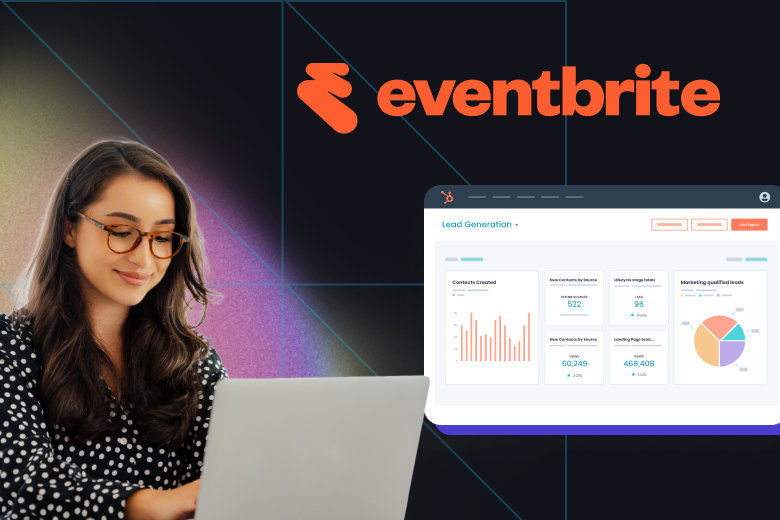
- Eventbrite Registrants → HubSpot Contacts
- Eventbrite Registrants → HubSpot Contact lists
- Eventbrite Registrants → HubSpot Workflows triggers
- Eventbrite Registrants/Attendance/Refund → HubSpot Timeline events
- Eventbrite Submit Order Form (Attendee Section) → HubSpot Contact data
The key to effective multi-channel communication lies in coordination based on engagement history. Members who regularly open emails might continue receiving primarily email-based communications, while those who respond better to mobile notifications should receive more SMS content. This adaptive approach maximizes engagement by meeting visitors on their preferred channels.
In Case You Missed It, Read Our Three-Part Series on HubSpot Workflows:
{}{}[{“color”:“link”,“link”:{“no_follow”:false,“open_in_new_tab”:true,“rel”:“noopener”,“sponsored”:false,“url”:{“content_id”:null,“href”:“/inbound-marketing-blog/6-creative-workflows-to-boost-your-marketing-automation”,“href_with_scheme”:“/inbound-marketing-blog/6-creative-workflows-to-boost-your-marketing-automation”,“type”:“EXTERNAL”},“user_generated_content”:false},“text”:“Part 1: How to Use HubSpot Workflows to Boost Your Marketing Automation ”}]null{“cta”:“group”,“cta_alignment”:“choice”,“cta_mobile_alignment”:“choice”,“styles”:“group”}null81526202986”/branding/lynton/pages/modules/Button”2[]“NOT_SMART""module""module""div” {}{}[{“color”:“link”,“link”:{“no_follow”:false,“open_in_new_tab”:true,“rel”:“noopener”,“sponsored”:false,“url”:{“content_id”:null,“href”:“/inbound-marketing-blog/hubspot-workflows-that-boost-efficiency-and-customer-satisfaction”,“href_with_scheme”:“/inbound-marketing-blog/hubspot-workflows-that-boost-efficiency-and-customer-satisfaction”,“type”:“EXTERNAL”},“user_generated_content”:false},“text”:“Part 2: How to Use HubSpot Workflows To Boost Efficiency and Customer Satisfaction”}]null{“cta”:“group”,“cta_alignment”:“choice”,“cta_mobile_alignment”:“choice”,“styles”:“group”}null81526202986”/branding/lynton/pages/modules/Button”2[]“NOT_SMART""module""module""div” {}{}[{“color”:“link”,“link”:{“no_follow”:false,“open_in_new_tab”:true,“rel”:“noopener”,“sponsored”:false,“url”:{“content_id”:null,“href”:“/inbound-marketing-blog/how-to-audit-and-clone-your-hubspot-workflows”,“href_with_scheme”:“/inbound-marketing-blog/how-to-audit-and-clone-your-hubspot-workflows”,“type”:“EXTERNAL”},“user_generated_content”:false},“text”:“Part 3: How to Audit Your HubSpot Workflows”}]null{“cta”:“group”,“cta_alignment”:“choice”,“cta_mobile_alignment”:“choice”,“styles”:“group”}null81526202986”/branding/lynton/pages/modules/Button”2[]“NOT_SMART""module""module""div”
Strategy 7: Develop Custom Objects for Attraction-Specific Intelligence
Standard HubSpot objects address many business needs, but attraction venues often require specialized data structures. Custom objects help, allowing you to track industry-specific information within HubSpot.
Custom objects for ticketing systems, exhibit interests, and educational programs enable precise content targeting. Creating a custom “Exhibit” object that tracks visitation patterns, dwell time, and related conservation interests provides a foundation for relevant communications.
Visitors who spend significant time at conservation-focused exhibits might receive different content than those primarily interested in entertainment experiences. Families demonstrating a strong interest in specific animal species could receive targeted educational content about those animals, while members who frequently attend behind-the-scenes tours might receive exclusive access opportunities.
Donor relationship management with Dynamics and ticketing systems integration can create custom objects tracking giving history, impact areas, and relationship development. These specialized structures support sophisticated donor journeys tailored to giving patterns and demonstrated interests, helping development teams nurture relationships more effectively.
Strategy 8: Establish Progressive Profiling and Preference Management
Building comprehensive visitor profiles happens gradually through intentional data collection and preference management. Integration accelerates this process by combining operational data with explicit preferences.
Attractions can leverage Gateway/Dynamics, Tixera, GaterMaster, ROLLER, or CenterEdge data in HubSpot to implement sophisticated profile development throughout the visitor relationship. Initial ticket purchases or website interactions might capture basic household information and visit timing. Subsequent interactions could explore animal interests, conservation priorities, or educational program preferences.
HubSpot forms adapt to known visitor information, creating streamlined interactions that respect the visitor’s time while gradually building comprehensive profiles. A family that has already shared children’s ages won’t be asked again, while a member who has demonstrated interest in birds might receive questions about specific species.
Preference centers synchronize across systems, ensuring visitors control their experience. Beyond basic communication preferences, these centers might include animal categories, conservation topics, and event types. This granular preference management ensures that communications remain relevant and welcome.
Strategy 9: Build Analytics Dashboards for Experience Optimization
Measurement drives improvement, and integration enables comprehensive reporting across the entire customer journey. These insights help you continuously optimize experiences based on actual performance data.
Attractions can leverage Gateway/Dynamics, Tixera, GaterMaster, ROLLER, or CenterEdge with HubSpot data to create comprehensive dashboards revealing the complete visitor journey:
- Acquisition dashboards connect marketing campaigns to ticket purchases and membership sign-ups. Which channels drive the most valuable visitors? What content most effectively converts website visitors to physical attendees? These insights help optimize marketing spend for maximum impact.
- Engagement dashboards correlate email and social media content with actual visitation patterns. Do certain animal features drive increased visits? Which event promotions generate the highest attendance? These connections help create content strategies that drive real-world engagement.
- Membership conversion dashboards identify the visitation patterns that predict successful membership conversion. Is there an optimal window for membership offers? Do specific exhibits or events create stronger membership conversion opportunities? These insights help maximize effectiveness when timing membership promotions.
Strategy 10: Cultivate an Ecosystem for Continuous Growth
As your attraction business expands, your integration infrastructure must evolve accordingly. A well-designed integration strategy supports growth while maintaining data consistency and experience quality.
Attractions managing multiple venues benefit from a scalable Gateway/Dynamics and HubSpot integration (or Tixera, GaterMaster, ROLLER, or CenterEdge) that coordinates the visitor experience across locations. New facilities connect to your existing infrastructure, immediately benefiting from established communication strategies and visitor insights.
Memberships function seamlessly across locations, with visitors receiving consistent recognition regardless of which venue they visit. Marketing campaigns can promote cross-visitation by suggesting experiences based on demonstrated interests at one location that match exhibits available at another.
Multi-location attractions can implement regional marketing strategies that respect local community interests while maintaining conservation messaging consistency. Visitors to urban facilities might receive different content than those visiting wildlife preserves, while the underlying mission and brand voice remain consistent.
{}{}[{“color”:“link”,“link”:{“no_follow”:false,“open_in_new_tab”:true,“rel”:“noopener”,“sponsored”:false,“url”:{“content_id”:null,“href”:“/video-library/hubspot-integrations”,“href_with_scheme”:“/video-library/hubspot-integrations”,“type”:“EXTERNAL”},“user_generated_content”:false},“text”:“Watch Now: How to Get The Most Out of Your HubSpot Integration for Business Growth ”}]null{“cta”:“group”,“cta_alignment”:“choice”,“cta_mobile_alignment”:“choice”,“styles”:“group”}null81526202986”/branding/lynton/pages/modules/Button”2[]“NOT_SMART""module""module""div”
Elevate Your Visitor Experience Starting Today
Attraction venues that truly connect with audiences go beyond showcasing impressive exhibits — they build memorable journeys across every touchpoint. Integration between operational systems and HubSpot establishes the foundation for these experiences, bridging information gaps to create a comprehensive understanding of each visitor and member. By implementing these ten methods, you’ll convert routine transactions into meaningful relationships that naturally cultivate loyalty, inspire advocacy, and drive long-term growth.
Ready to transform your recreation business with integrated customer journeys? Contact us today to discover how our team can help you implement these strategies and create exceptional experiences for your members and visitors.